Embracing Active Aging: The New Era of Health and Wellness for Seniors

Updated: Aug 17
The Rise of Strength Training Among Centenarians
On the drive into work today, a story caught my attention: A new report on centenarians shows that nearly half do strength training at least once a week. Additionally, 36% practice stress-relief activities like meditation, 67% report eating a healthy diet, 42% regularly walk or hike, and about 30% still enjoy gardening. NPR
This mirrors what we see every day. Health and wellness are now part of everyday conversation—especially here in Silicon Valley. After the COVID years with closed gyms, people seem even more committed to staying active. From medications like Ozempic to community programs like our Prosthetic Solutions Fitness for Life gym, the focus on health is stronger than ever.
Since our inception, we’ve focused on “confidence training,” evolving from occasional Amputee Walking School events to monthly, weekly, and now twice-weekly group classes.
The Shift in Participation
Most new patients attend these classes early on, then taper off as they return to work and daily routines. Yet the gym keeps growing—and the average participant is now over 60. That’s a significant shift. Historically, when an older adult lost a limb, especially due to vascular disease or cancer, many clinicians and families quietly assumed they would not live very long after amputation.
The statistics are sobering. For major lower-limb amputation (often related to vascular disease or diabetes), about 60–70% of people are alive at 1 year, 35–50% at 3–5 years, and roughly 15–30% at 10 years. Better survival rates are seen for below-knee amputations and for those who receive a prosthesis and participate in rehabilitation.
From these statistics, we know that participation in structured rehab and prosthetic training is consistently linked with higher rates of independent walking, better mobility scores, longer walking distances, and improved balance and endurance.
A New Mindset for Older Adults
What feels different now is the mindset of many of our older patients. There is a real eagerness to get as strong and fit as possible and to build a supportive community. Community, strength training, and regular exercise are key ingredients in healthier aging—and insurers have noticed. Many health plans now include fitness benefits, and we are a participating gym for all major plans.
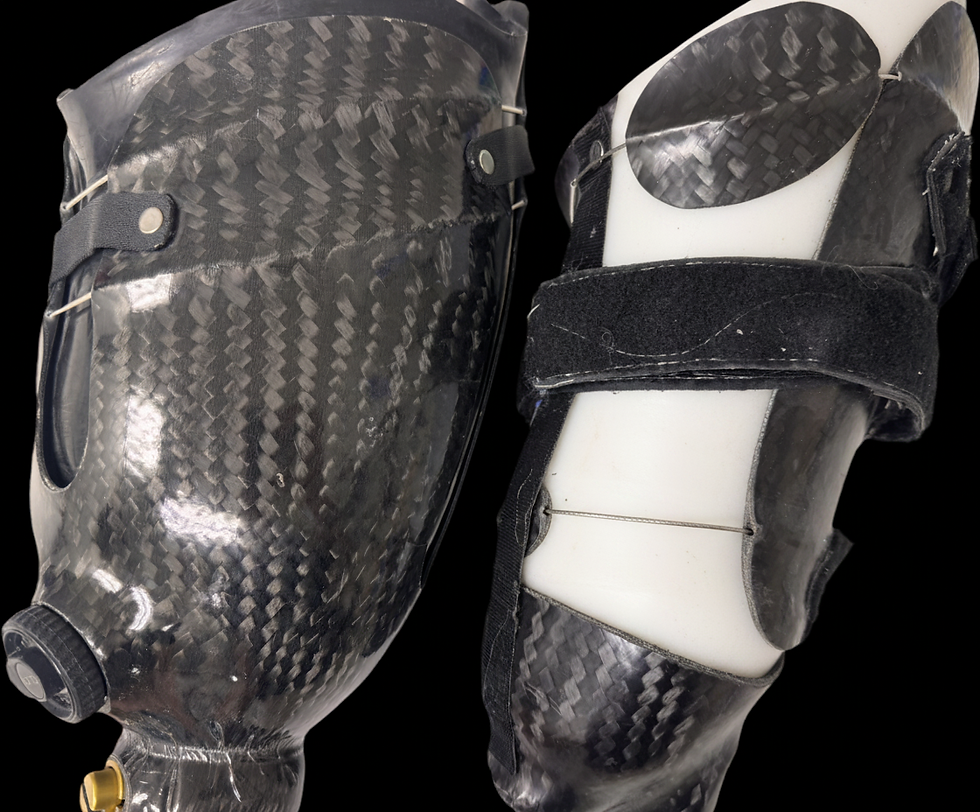
Given all this, it is time to rethink how we treat senior prosthetic users. If people want to stay active and engage in serious rehab at any age, shouldn’t they also have access to the most appropriate technology? Insurers promote wellness programs because healthier members save money over time; the same logic applies to prosthetic care.
Yes, advanced prosthetic technology can carry a higher upfront cost—but if a device is proven safe, supports mobility, reduces falls, and helps people stay active and engaged, isn’t that exactly the kind of technology we should be using for everyone who wants to stay active regardless of age?
The Tools and Data We Have
We have the tools, the data, and the patient demand. The question is whether the health community and insurers are willing to update expectations to match the way our older adults are truly living now.
In 2026, So EveryBODY Can Move California will be submitting new legislation to amend current law for prosthetics and orthotics. This legislation will require plans to cover devices used for sports, recreation, and swimming that support health. It's a start.
The Importance of Community and Support
Building a supportive community is vital for older adults. It fosters motivation and encourages participation in fitness programs. When seniors engage with others who share similar goals, they feel empowered to push their limits. This sense of belonging can significantly enhance their overall well-being.
The Role of Technology in Fitness
Technology plays a crucial role in modern fitness. Wearable devices can track progress, monitor health metrics, and provide feedback. These tools can help seniors stay accountable and motivated. By integrating technology into fitness routines, older adults can enhance their training and stay connected with their community.
Nutrition: Fueling an Active Lifestyle
A healthy diet is essential for maintaining energy levels and supporting an active lifestyle. Seniors should focus on nutrient-dense foods that provide the necessary vitamins and minerals. Incorporating a variety of fruits, vegetables, whole grains, and lean proteins can help them stay fit and healthy.
Overcoming Barriers to Exercise
Many older adults face barriers to exercise, such as mobility issues or lack of access to facilities. It’s essential to address these challenges by providing adaptive programs and resources. Community centers and gyms should offer classes tailored to seniors, ensuring everyone has the opportunity to participate.
The Future of Senior Fitness
As the population ages, the demand for senior fitness programs will continue to grow. It’s crucial for healthcare providers and fitness organizations to adapt to these changes. By prioritizing the health and wellness of older adults, we can create a more inclusive and supportive environment for everyone.
In conclusion, embracing active aging is vital for the health and well-being of seniors. By focusing on strength training, community support, and access to technology, we can help older adults lead fulfilling lives. The future of senior fitness is bright, and with the right resources, everyone can thrive.

Comments