An Amputee’s Japan Bucket List Trip
Updated: Feb 6

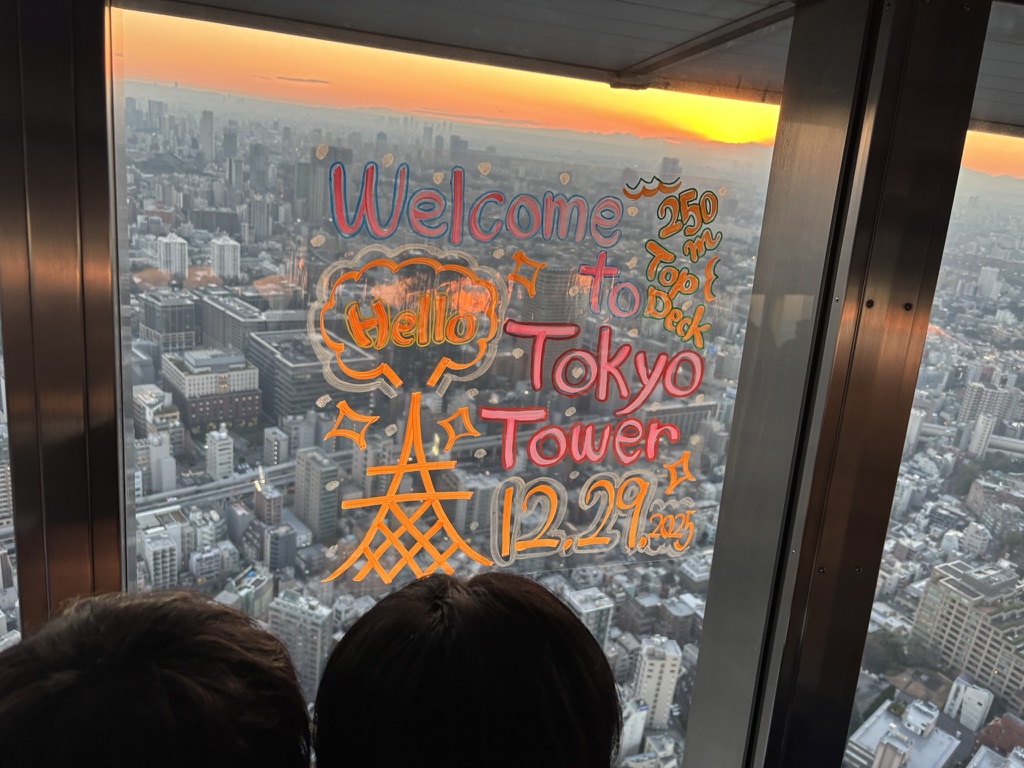
My wife and I just returned from a 29 day trip to Japan, truly the vacation of a lifetime. It was also a dream almost twenty years in the making.
When I was younger, I took two years of Japanese in high school and always hoped I would someday visit. But after my motorcycle accident at 21, that dream felt out of reach. Over the years, I adjusted to life with a left leg BK prosthetic, right side nerve damage, and walking with a cane. I could get around, but walking long distances was exhausting, and fatigue isn’t just tiring, it can become a safety issue.
For a long time, the idea of walking even one mile felt impossible. The thought of walking six or seven miles a day in a country known for its ancient shrines and a walking culture seemed completely unrealistic.
Everything changed because of my prosthetic team, Wade and Susan.
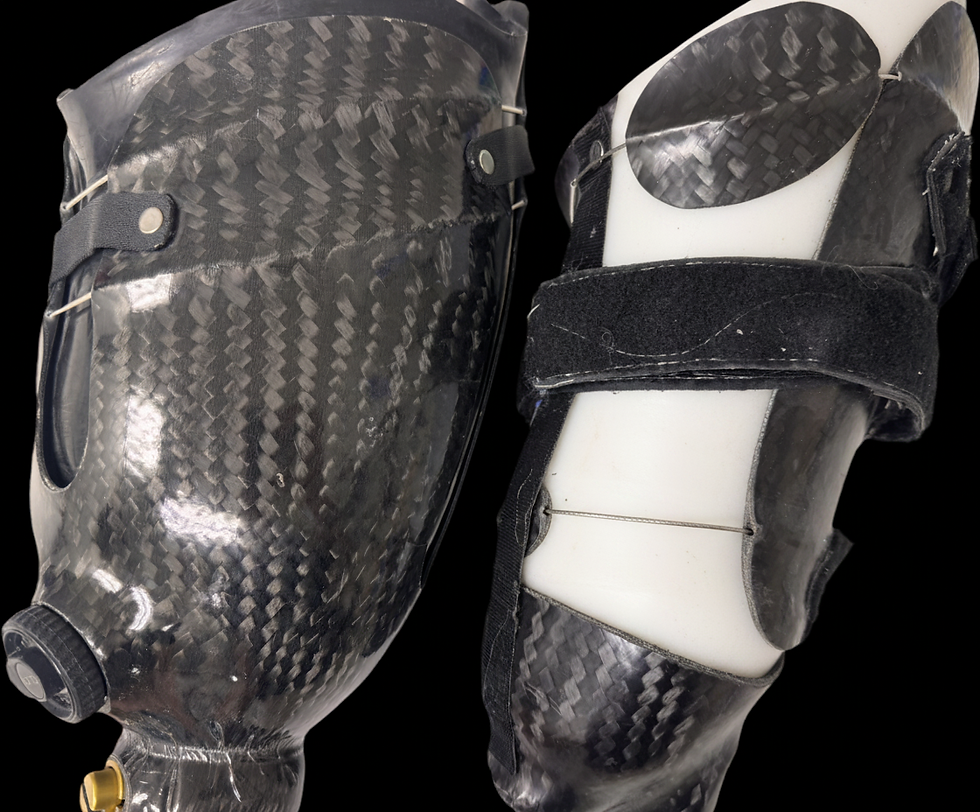
With my new dual pin and suction suspension system, I finally had a socket fit that didn’t cause painful sores. They also matched me with a Pro-Flex Terra foot, which gave me more stability and energy return on uneven ground. For the first time in years, I felt confident moving through the world again.
Last year, I set a simple goal to start: walk one mile.
My wife joined me, and every day after work we walked our neighborhood until 1 mile was routine. At the time, it felt liker quite an achievement. Then, after we both turned 40, we decided to be ambitious; with the progress made already, an international trip was finally possible. A year before the trip to Japan we signed up for duolingo and started practicing the language as best we could, and prepared ourselves for the adventure with lots of youtube research.
We had high expectations and Japan did not disappoint.I decided that because a long flight could cause pain, that we should try to go for as long as possible so a rest day wouldn't feel like it derailed the trip. This gave us the luxury of planning to see many cities. We visited Tokyo, Kyoto, Osaka, and Hiroshima, traveling mostly by foot and using Japan’s incredible rail system. I was worried about accessibility. My thinking was that Japan doesn’t have the same ADA infrastructure as the United States, and there were definitely moments when stairs were unavoidable or handrails were missing, but this was an unfounded fear on my part. I was never truly stopped from doing what I wanted to do.
Japan is a land of contradictions in the best way.
We would walk around city-scapes that looked ripped out of a science fiction novel, then I would find a futuristic bathroom with every feature imaginable, but no paper towels or any way to dry one's hands at all! Culturally, we learned to bring our own hand towels. There are elevators everywhere, yet sometimes the only route forward was a steep staircase with an incomplete handrail. None of this impeded our enjoyment though, at times they were just puzzles to solve.
What stood out most was how kind people were. Whenever I looked confused we could count on someone asking if we were ok. Sometimes it was just directions, other times they would be scrambling to help me find an elevator or spare seat. It was true hospitality.
In Kyoto, we walked ancient streets and visited temples over a thousand years old. Even in the rain, I felt steady on slick cobblestones and uneven paths.
Tokyo was a megacity with endless neighborhoods to explore. When we asked for help finding elevators or alternate routes, there was almost always an accommodation.
Osaka was a foodie’s dream, full of energy and character. At one point, the staff at a department stores ferris wheel even stopped the ride so I could board safely. That was the norm everywhere we went. When I explained “gisoku” and gestured toward my leg, people immediately understood and wanted to help.
By the time we reached Hiroshima, all the walking had changed my limb shape and I developed a few sores. But even then, people seemed to notice my limp and offered extra patience and kindness.
This trip reminded me that mobility is about so much more than walking. It’s about freedom, confidence, and the ability to say yes to life again. I will always be grateful to Wade and Susan for helping make something I once thought was impossible feel achievable.
Practical Travel Tips for Amputees Visiting Japan (or just traveling in general):
Ask for help: Don’t hesitate to ask. People truly want to help and would much rather assist than see you struggle.
Bring shoe covers for temples/homes: Taking shoes on and off can be time consuming and can affect balance. I brought felt boot covers (the kind used by Canadian lumberjacks), and they worked incredibly well. After explaining my situation, I was able to enter temples respectfully without risking a fall. Also, cane tips are essentially tiny shoes, so ask for one from them there, they usually had an indoor one I could borrow.
Showering: I brought my shower leg in checked luggage, and it also serves as a backup. For day trips, I found that a rubber cast cover plus a small portable vacuum pump and silicone straw allowed me to shower safely with my regular leg. I got the idea from zerosocks and I always have the pump to help with vacuum storing dirty clothes so they take up less space in my luggage.
Detachable feet: Susan and Wade fitted me with a quick disconnect, and it has been life changing. It makes everything, but especially travel, easier. It helps with comfort on long plane/train travel days by allowing me to remove the foot and move the limb to keep blood circulating, and allows me to pack a spare foot (smaller shower gear) for overnight trips. A little silicone lubricant also helps keep the connection smooth. Added bonus: putting pants on by stepping through the leg again!
Threw a small baby shower for my sister and used the baby shower bingo cards during the gift-opening part so the older relatives had something to do.
Printed 4-to-a-page to save ink, still looked perfectly clean.